PCI-T Current Programs
Feed & Nurture Program
Nourishing Children. Keeping Children in School. Building Sustainable Communities.
Funded by Philip Morris International in partnership with MKWAWA Leaf Tobacco Limited.
Investing in Children. Transforming Communities.
The Feed & Nurture Program, implemented by People's Care Initiatives Tanzania (PCI-T), is a three-year school-based initiative designed to help reduce children's exposure to child labour in tobacco-growing communities in Sikonge District, Tabora Region.
The program recognizes a simple but powerful connection: when children have access to nutritious meals, a safe learning environment and meaningful activities at school, they are more likely to attend, participate and remain in school.
The program was initially piloted at Usunga Primary School and has since expanded to Mole Kiloleni, Wankolongo and Mihamakumi Primary Schools.
Through school feeding, school gardens and farms, improved feeding infrastructure, after-school activities and community capacity building, PCI-T is helping schools and communities develop sustainable solutions that protect children and strengthen their future.
Our Approach
The Feed & Nurture Program combines nutrition, education, child protection and community ownership.
Rather than relying solely on food assistance, the program supports schools and communities to progressively develop their own capacity to sustain school feeding through:
School gardens and food production
Nutritious school meals
Improved kitchens and feeding facilities
School farms
After-school sports and recreational activities
Teacher and local government capacity building
Community participation and ownership
This integrated approach addresses some of the economic and social pressures that can expose children aged 8–15 to work in tobacco farms.
School Feeding
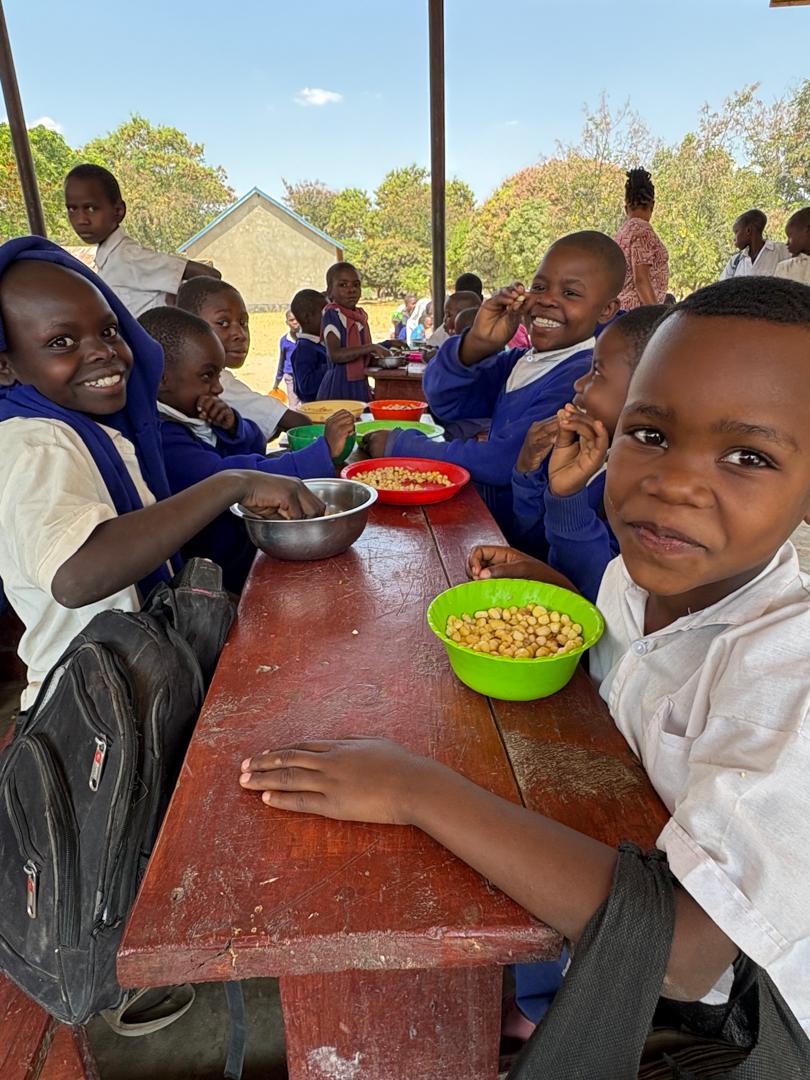
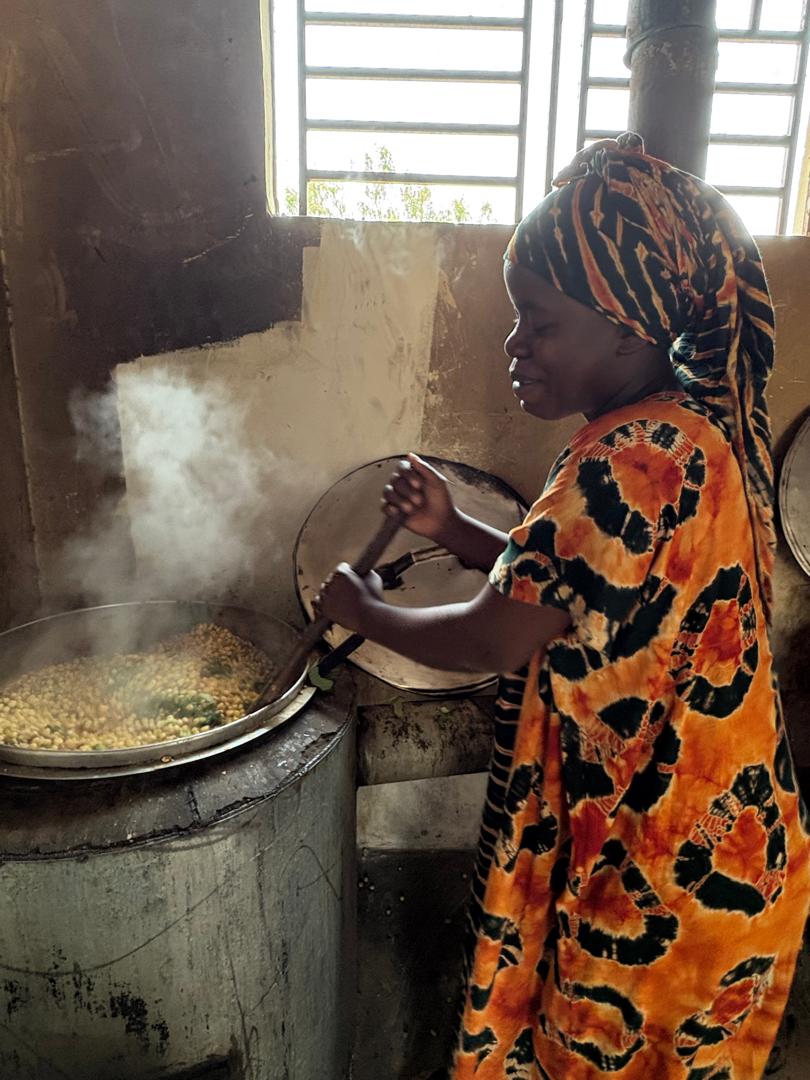
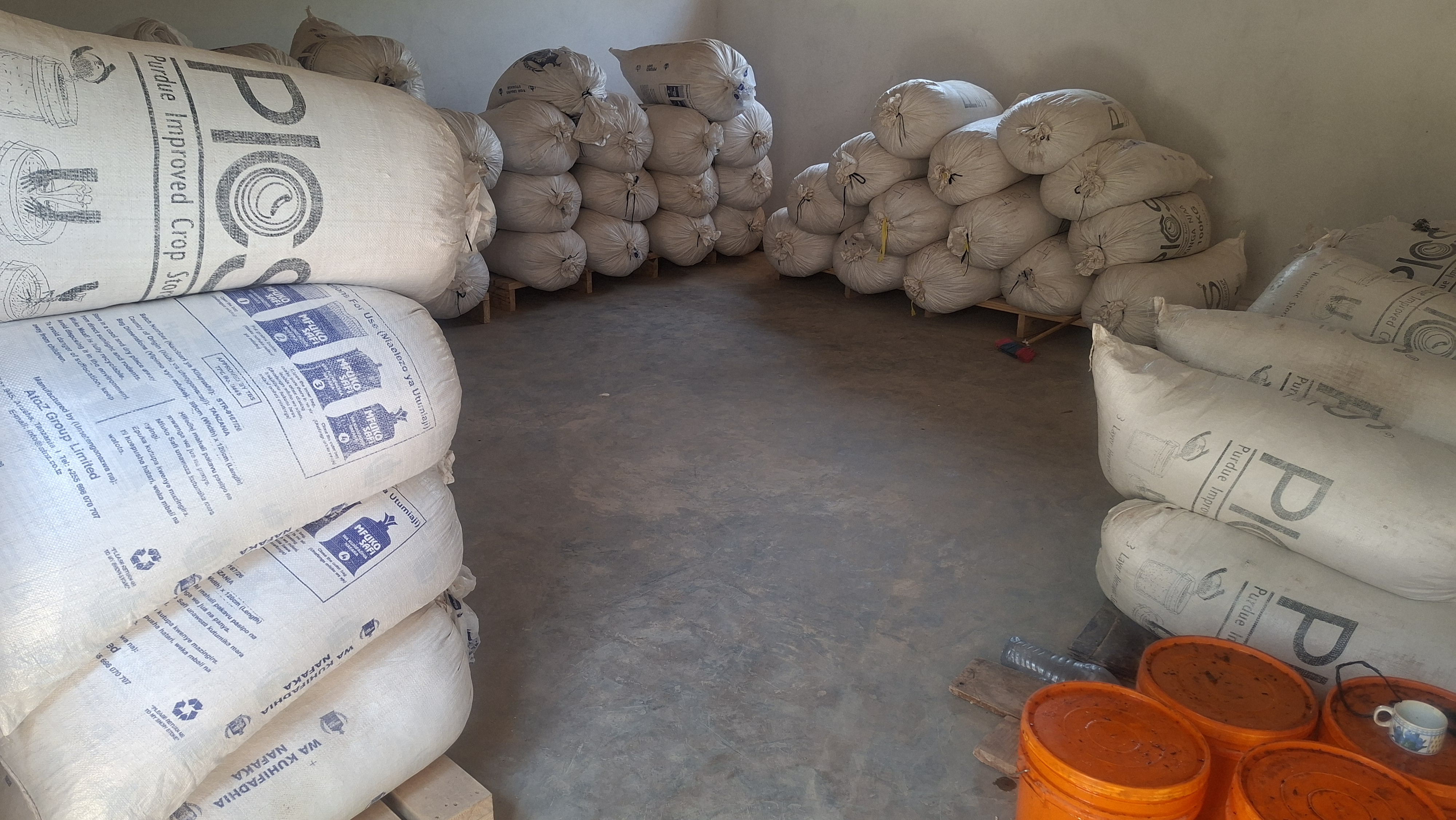
PCI-T provided maize, beans and cooking oil to three schools, enabling them to provide nutritious meals three days per week—equivalent to 117 feeding days annually.
Regular access to school meals helps create an environment where children can focus on learning rather than hunger, while contributing to improved attendance, classroom participation and concentration.
Food Commodities Delivered
| School | Maize | Beans | Cooking Oil |
|---|---|---|---|
| Mole Kiloleni | 3,303 kg | 1,202 kg | 200 L |
| Wankolongo | 4,856 kg | 1,417 kg | 202 L |
| Mihamakumi | 4,309 kg | 1,257 kg | 179 L |
| Total | 12,468 kg | 3,876 kg | 581 L |
In total, PCI-T delivered 12.47 tonnes of maize, 3.88 tonnes of beans and 581 litres of cooking oil to support school meals.
The program is designed to move beyond direct food assistance.
At Usunga Primary School, the pilot began with full feeding support. During the second year, the school transitioned toward a community-supported model, with food increasingly sourced through parent contributions and the school farm.
This transition is strengthening community ownership and creating a pathway toward long-term sustainability of school feeding services.
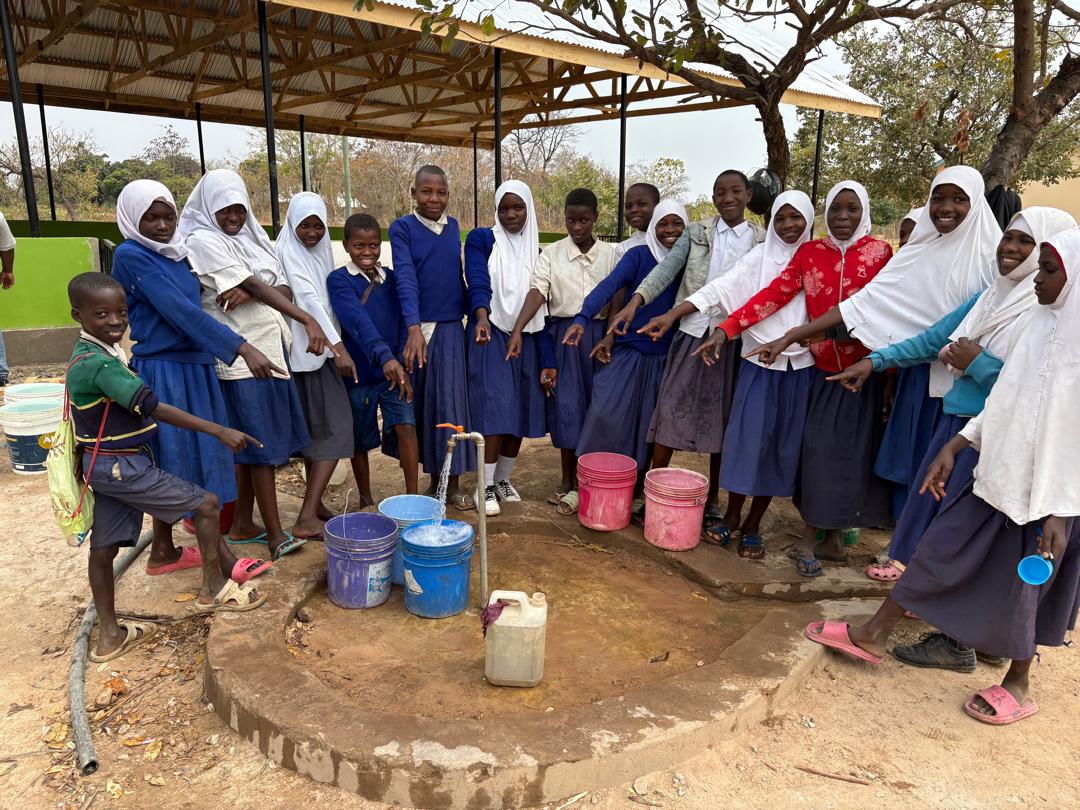
A successful school feeding program requires more than food. PCI-T has supported schools to improve the infrastructure needed to safely prepare, store and serve meals. Support has included:
- Modern and improved kitchens
- Food storage facilities
- Firewood storage areas
- Dining facilities
- Handwashing facilities
Construction has been fully completed in two schools, while work at the third school has progressed to the roofing stage.
These improvements provide safer and more hygienic environments for food preparation and storage while giving children more comfortable spaces in which to enjoy their meals. The infrastructure is also designed to strengthen the long-term sustainability and resilience of school feeding operations, including during the rainy season.
School Gardens: From Learning to Nutrition
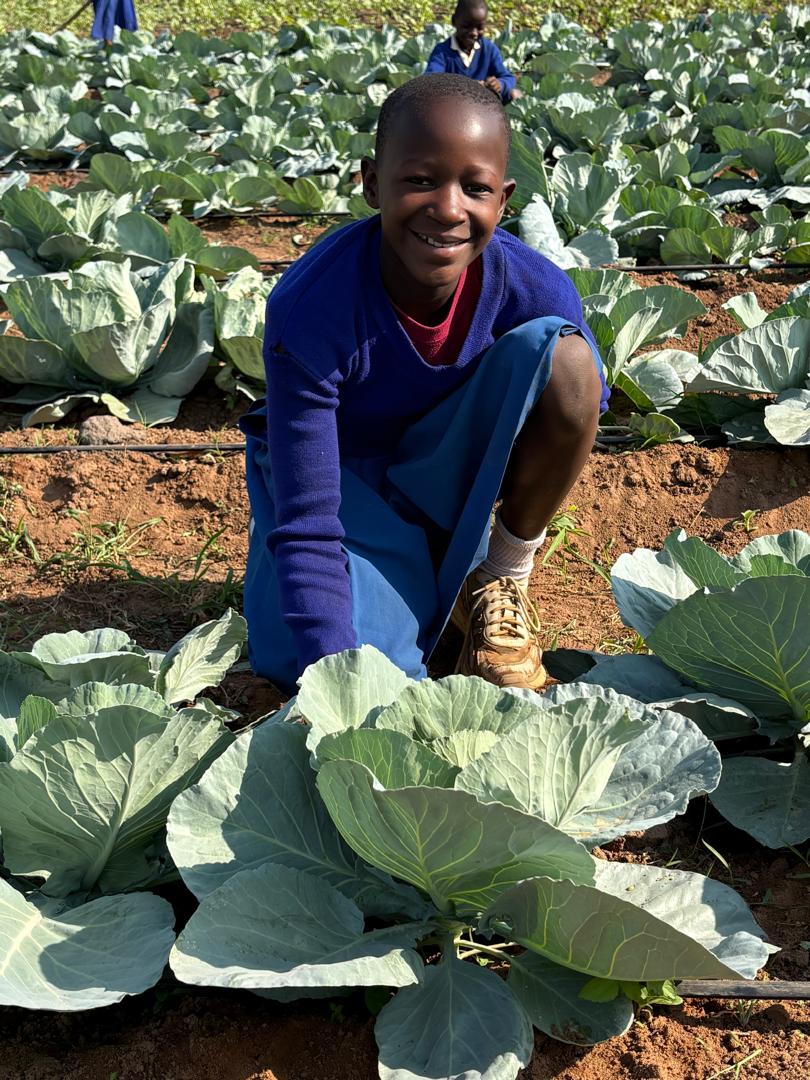
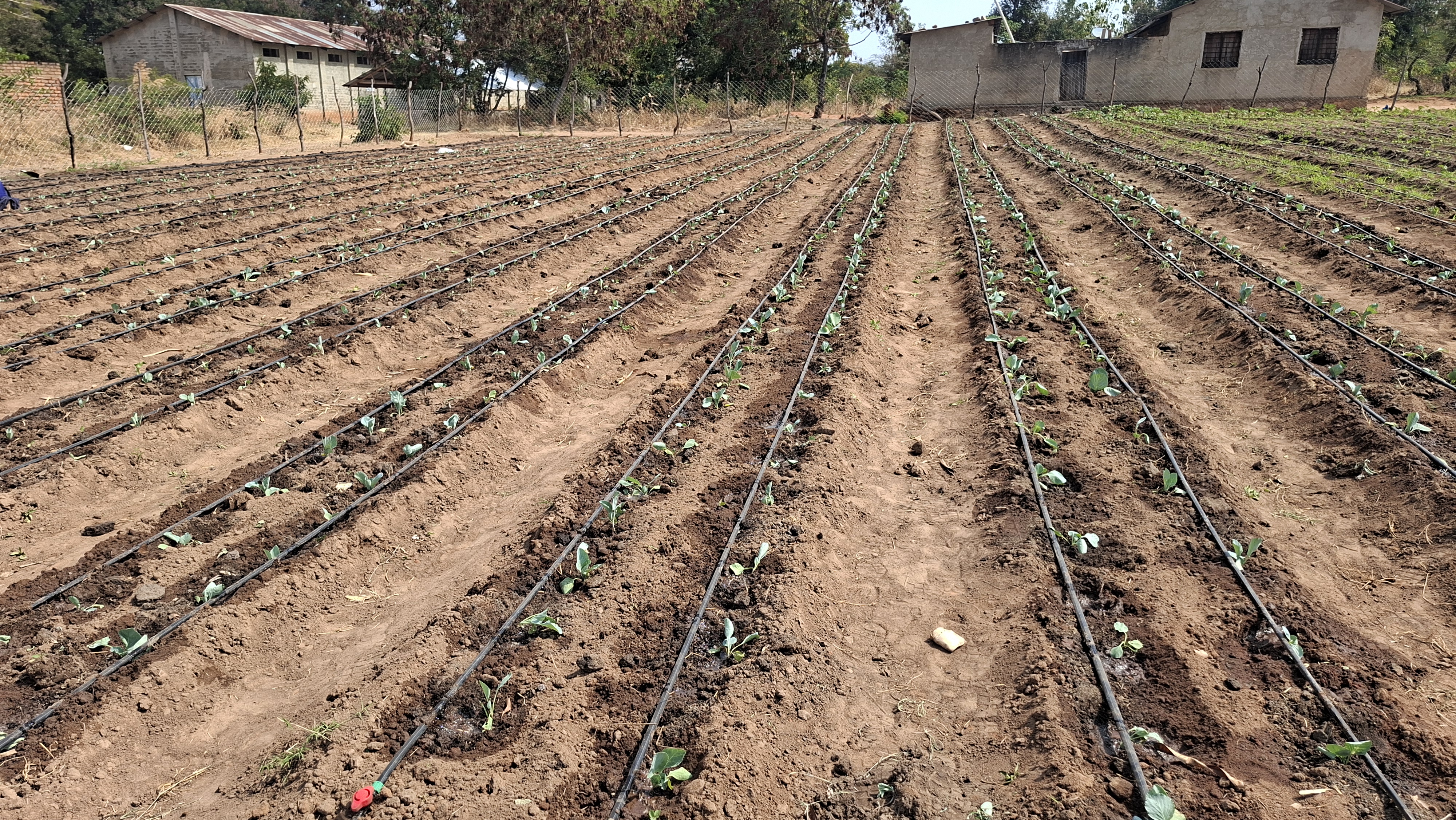
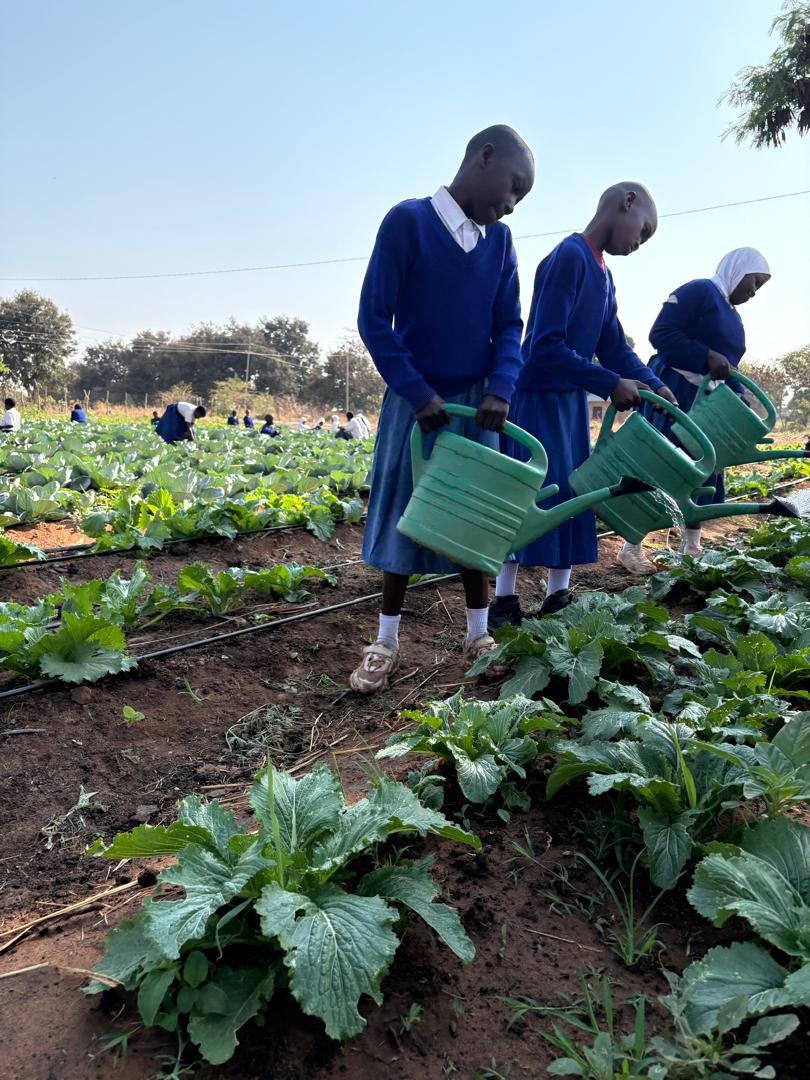
All four supported schools have established fenced school gardens to protect crops and support continuous food production.
Usunga Primary School is now in its second year of school garden implementation, while the other three schools are in their first year.
The gardens produce crops suited to local conditions and seasonal calendars. Harvested vegetables are used to supplement school meals, while surplus produce can be sold to generate income for future agricultural activities.
Beyond providing food, school gardens help children learn practical agricultural skills while promoting:
School Farms for Long-Term Food Security
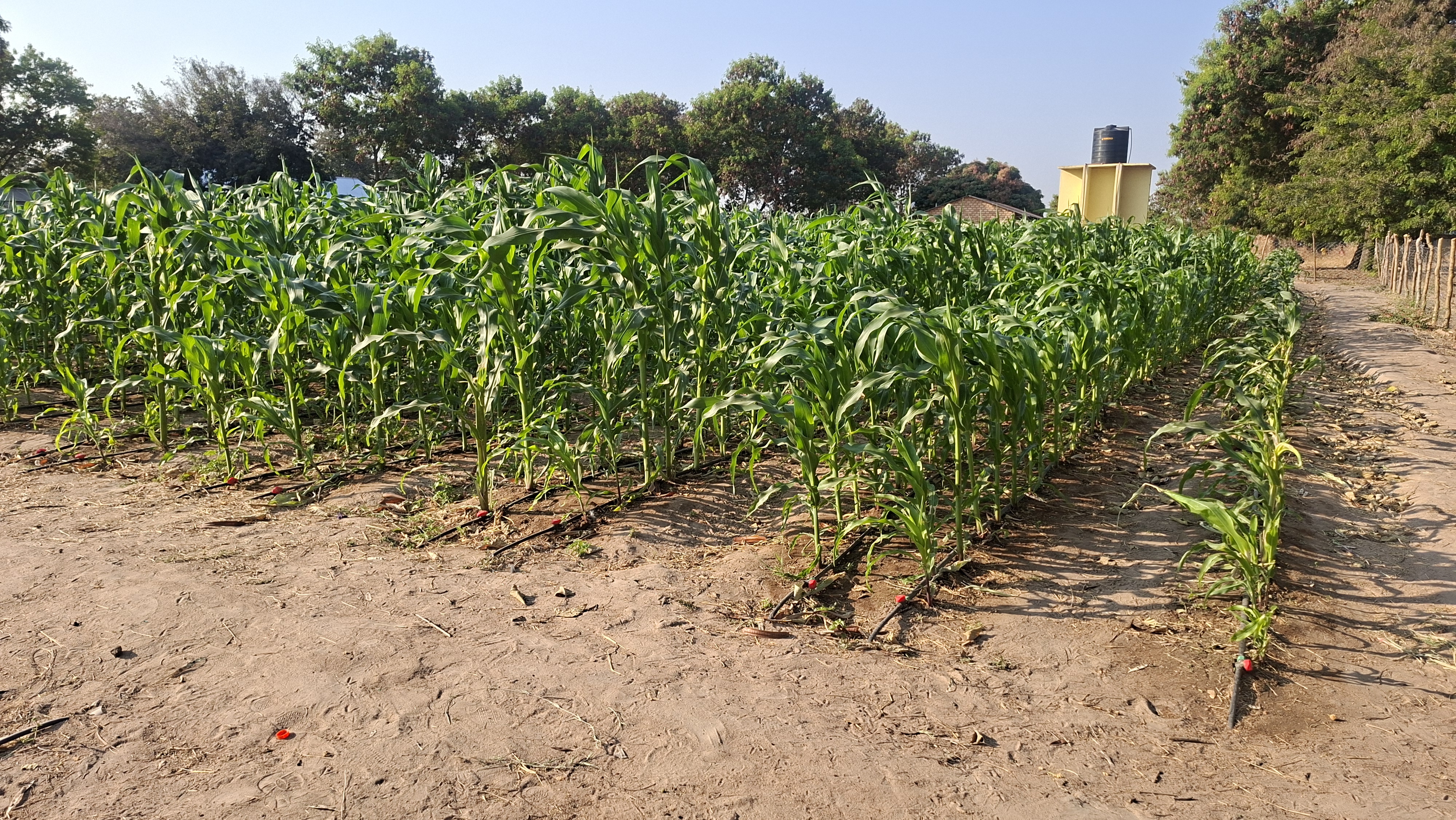
In December 2025, PCI-T established Pro-Vitamin A maize farms at Usunga and Mole Kiloleni Primary Schools to increase local food production and strengthen the sustainability of school feeding.
12 acres established
Expected production: 18,000 kg
Actual production: 4,260 kg
13 acres established
Expected production: 19,500 kg
Actual production: 5,500 kg
Although actual yields were below initial projections, the farms established an important foundation for school-based food production, community participation and future sustainability.
The experience is also generating valuable lessons for improving future crop planning, agronomic practices and yield projections.
After-School Activities
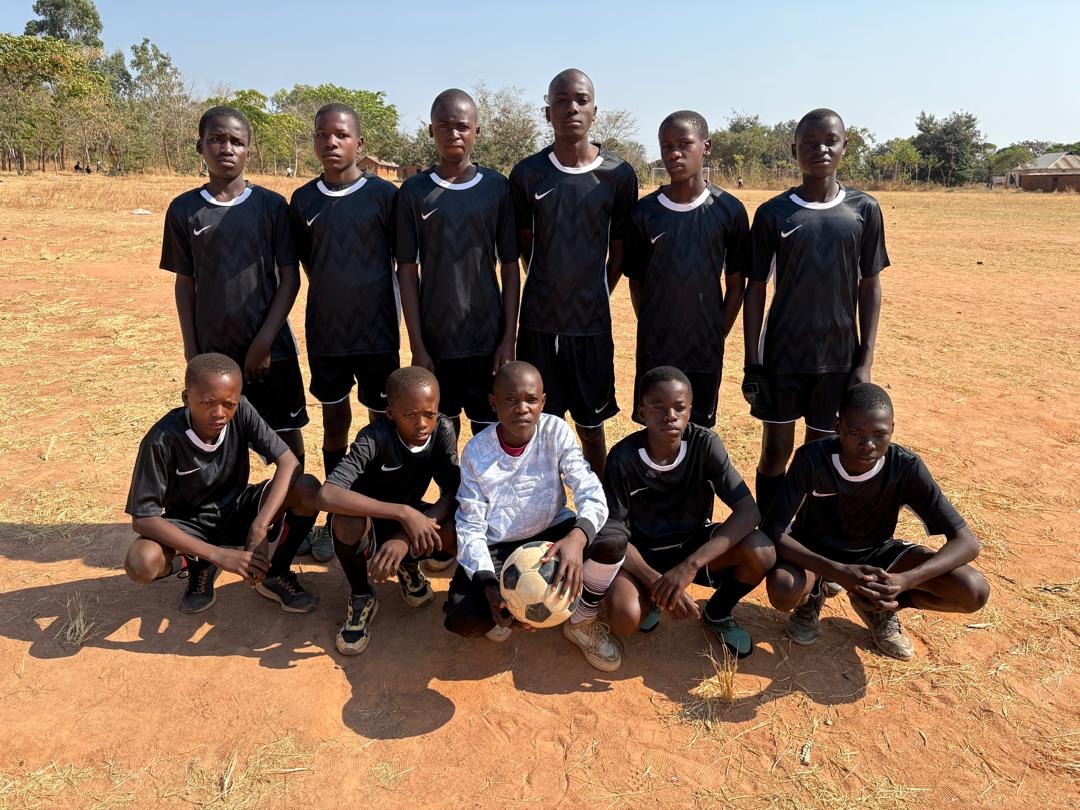
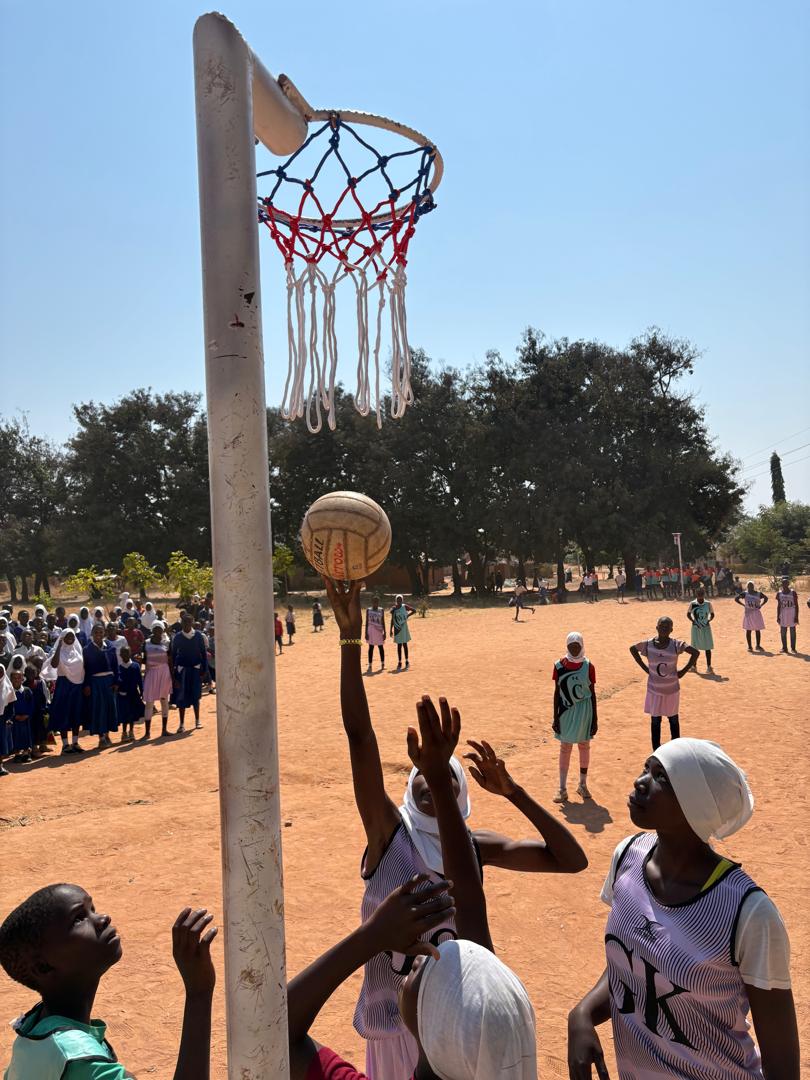
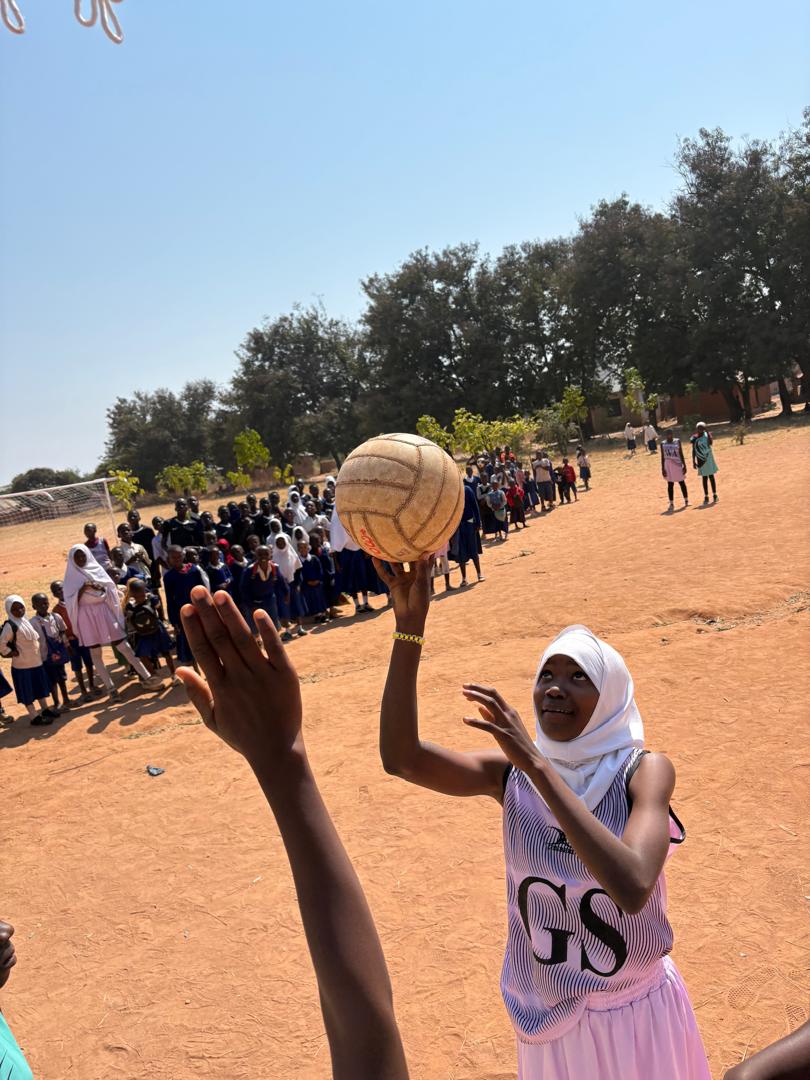
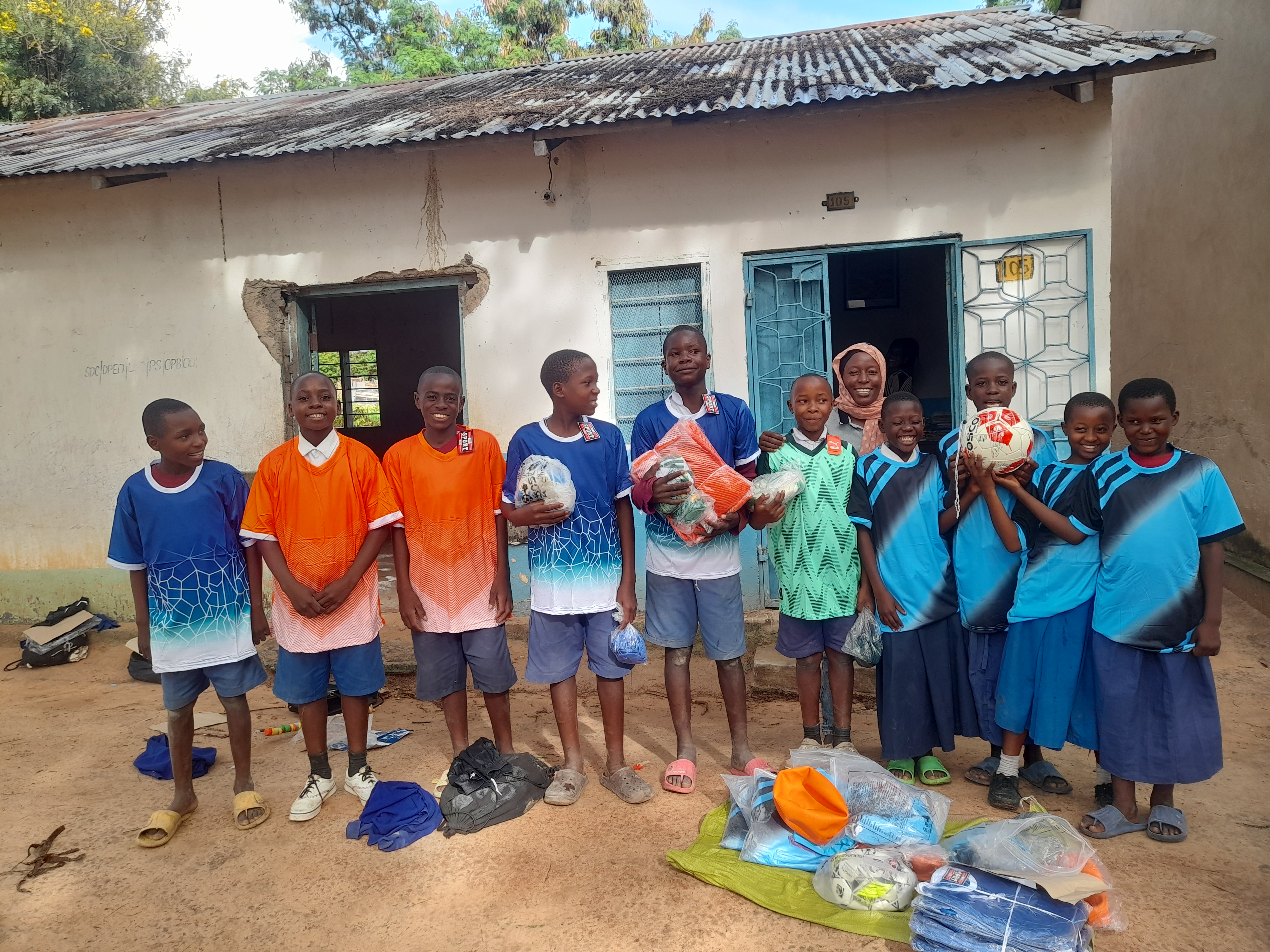
A child-friendly school should be a place where children can learn, play, build friendships and discover their potential.
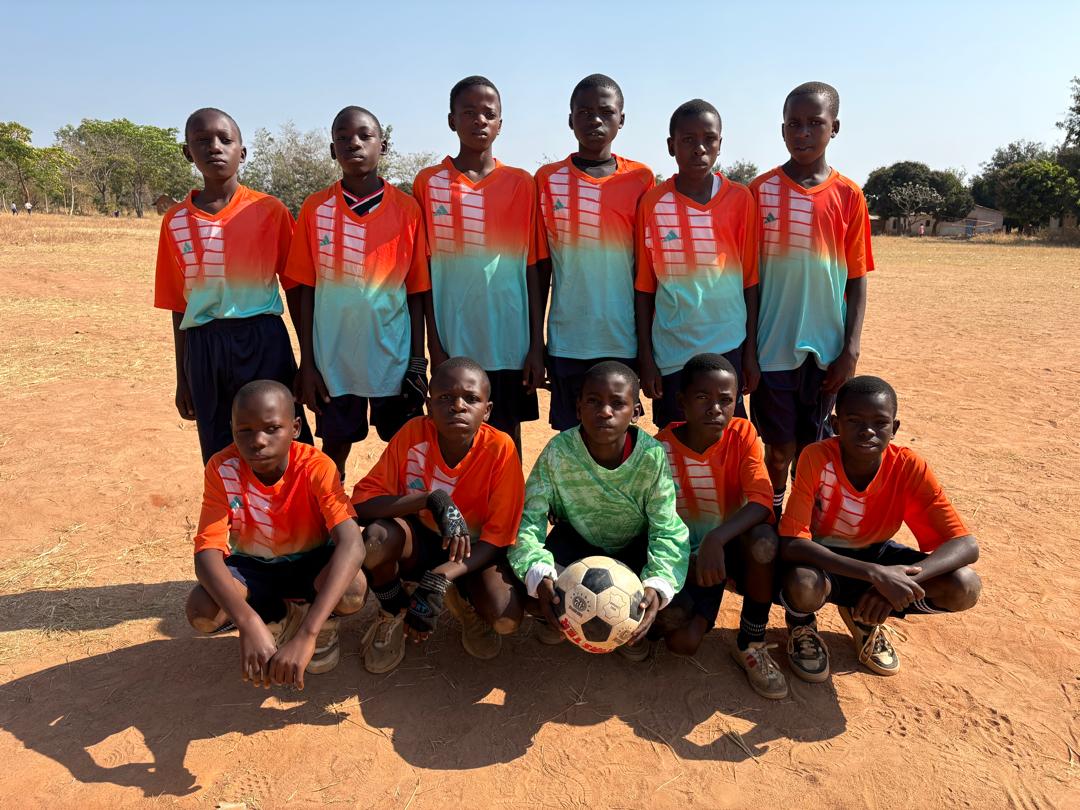
PCI-T has supported all four schools with sports jerseys and equipment, including:
- Footballs
- Netballs
- Indoor games
- Football and netball goalposts
- Inter-school competitions
These activities make schools more engaging and attractive to children while promoting:
By creating safe and structured opportunities beyond the classroom, the program contributes to a more positive school experience for children.
Building Capacity for Sustainable Impact
Sustainable change requires strong local leadership.
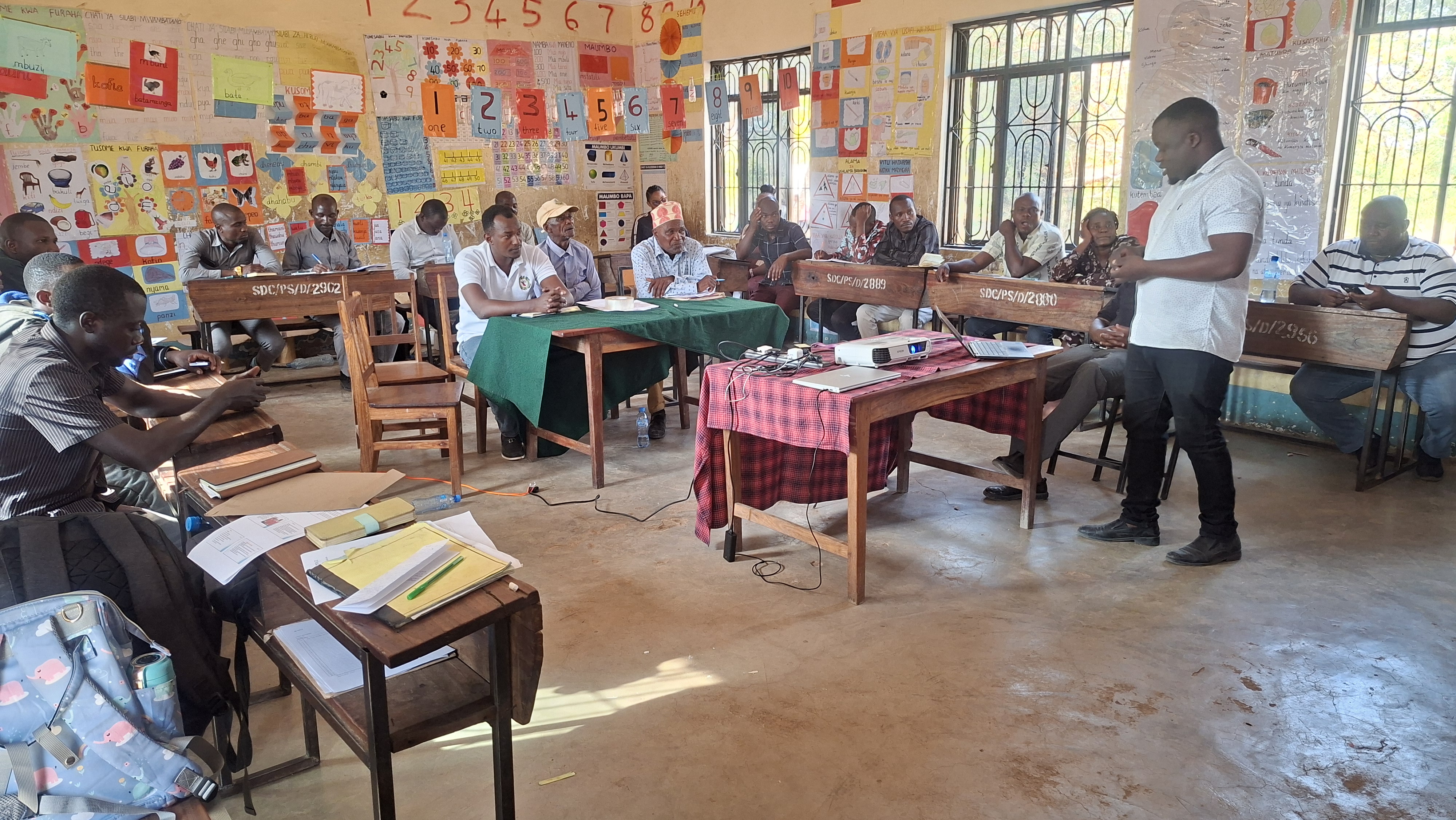
PCI-T trained 96 teachers and Village Local Government leaders on key areas of project implementation.
The capacity-building support helps local actors strengthen their ability to:
- Support school feeding activities
- Promote community participation
- Manage school-based food production
- Strengthen child protection
- Support school attendance and enrolment
- Sustain project investments beyond external support
By investing in local capacity, PCI-T is helping ensure that the benefits of the program can continue to grow within communities.
Our Impact at a Glance
The Feed & Nurture Program is built around a long-term vision:
A future where children can learn, grow and thrive without being pushed into child labour by hunger or household economic pressures.
The program's transition from direct food support toward school farms, gardens, parent contributions and income-generating opportunities demonstrates PCI-T's commitment to sustainable development.
The goal is not simply to provide meals today.
It is to help schools and communities build the capacity to provide those meals tomorrow.
In communities where families depend on tobacco farming for their livelihoods, children can face increased exposure to agricultural work at the expense of their education and wellbeing.
The Feed & Nurture Program addresses this challenge by making school a more attractive, supportive and protective environment.
By combining nutrition + education + child protection + agriculture + recreation + community ownership, PCI-T is helping create conditions in which children can remain in school and communities can build sustainable solutions.
Thank You to Our Donor & Partners
PCI-T sincerely thanks the donor and partners who make the Feed & Nurture Program possible.
Philip Morris International
For funding school feeding, school gardens and farms, feeding facilities, after-school activities and capacity building in Sikonge District, Tabora Region.
MKWAWA Leaf Tobacco Limited
For partnering in the delivery of the program in tobacco-growing communities.
Local Government, Teachers, Parents & Communities
We also thank the Government of Tanzania, Village Local Government leaders, teachers, parents and the school communities of Usunga, Mole Kiloleni, Wankolongo and Mihamakumi Primary Schools for their participation and ownership.
Together, We Can Help More Children Learn, Grow and Thrive.
Sustainable change requires partnerships.
PCI-T welcomes collaboration with donors, government institutions, development partners, private-sector organizations, foundations and communities committed to protecting children and strengthening education, nutrition and sustainable livelihoods.
Partner with PCI-T to:
Help children access nutritious meals and stay engaged in learning.
Support gardens and farms that strengthen local food production.
Help schools create safe and hygienic spaces for preparing and serving meals.
Contribute to solutions that reduce children's exposure to child labour.
Invest in local capacity and sustainable community-led solutions.
Our Donors & Partners
With sincere thanks to Philip Morris International, MKWAWA Leaf Tobacco Limited, FAO and the Government of Tanzania.


Together, We Can Help More Children Learn, Grow and Thrive
Together, we can turn meals into opportunity, schools into safe spaces, and communities into engines of change.
